Feeding

Cleaning and sterilising baby bottles

Two different jobs, both worth getting right.

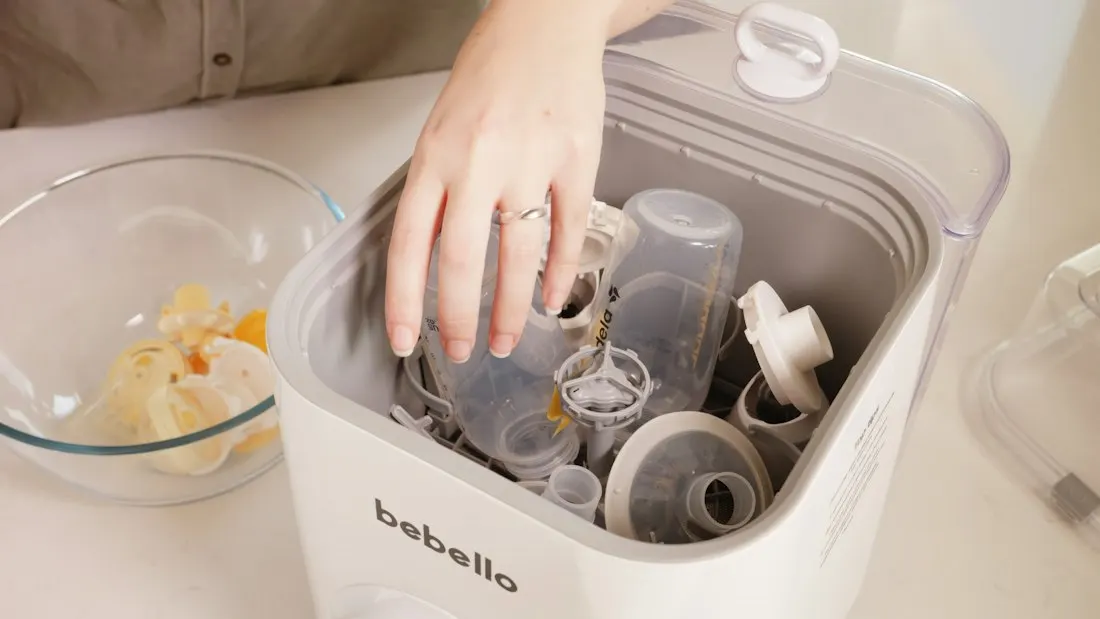
Bottle parts being loaded into a bottle washerFeeding

Photo: Andrew Carr / Unsplash

The little overview

Wash feeding equipment before sterilising it. A dishwasher cleans bottles but does not sterilise them.

A few useful things to know

  • Sterilise bottles, teats and feeding equipment until baby is at least 12 months.
  • Wash in hot soapy water with a dedicated bottle brush, then rinse.
  • Use steam, cold-water solution or boiling as directed.
  • Follow steriliser instructions and check for damaged equipment.
  • Wash and dry hands before handling sterilised items.
GO STRAIGHT TO THE SOURCE

Read the full NHS guidance

This is a short, independently written summary. The original page contains fuller instructions, context and exceptions.

Visit NHS →Source checked: 15 November 2026. This summary has not been clinically reviewed. Tiny Compass is not affiliated with or endorsed by the source organisation.


YOUR NEXT LITTLE READ

Keep exploring.

More on feeding

Explore the feeding resource centre →

Your practical next step

YOUR LITTLE ONE

A little less typing.

Remember preferences on this device, or save to your account.

Owning a bag does not make it suitable for every temperature. We’ll still show the guidance.

YOUR TINY COMPASS

Little details.
Remembered.

Save baby profiles, preferred brands and the bags you have. Pick up where you left off on another device.

Loading your account…

Profiles are private to your account. You can delete saved profiles at any time. Age and weight are only used to help you check product labels.

Guide finder

A little help finding your way.

Find answers in our baby guides, buying articles and shop. Baby topics only; no diagnoses or medicine doses.

Please leave out names, contact details and identifying medical information.

Not monitored for urgent help. Immediate danger: 999. Worried about symptoms: NHS 111.

Chat reference